18/07/23, 12:15 AM
Reidi tee promenaad, Tallinn, Estonia
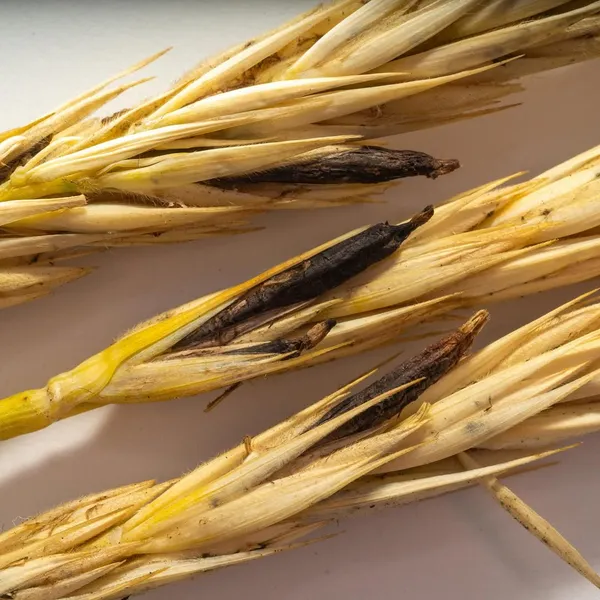
Ubran park, coastal zone, Sclerotium on Leymus arenarius host
59°26'36.1"N 24°47'11.4"E
🔆 Home lab, with flash light
Original Instagram postrye ergot fungus
From the latest record: 2024-08-18.
(Ascomycete fungi with perithecia embedded in the stroma)
Forms sclerotia instead of a cap)
Hymenium Attachment
Stipe
Ascospores produced in perithecia; conidia produced in honeydew stage.
Parasitic on grasses, particularly rye and other cereals; produces sclerotia that replace grains.
Toxic; causes ergotism if ingested.
Ascospores are filiform (thread-like), 50-70 x 1-2 μm; conidia produced in the honeydew stage are ellipsoid to cylindrical.
Odour not applicable
Commonly known as ergot, is a parasitic fungus that infects grasses, especially rye. The fungus replaces the grains of the host plant with hard, dark purple to black sclerotia, which contain toxic alkaloids. These sclerotia are the overwintering stage and germinate to produce fruiting bodies that release ascospores. During the growing season, the fungus also produces conidia in a sticky honeydew that spreads the infection.
1853). Annls Sci. Nat., Bot., Sér. 3 20: 45.
Reidi tee promenaad, Tallinn, Estonia
Ubran park, coastal zone, Sclerotium on Leymus arenarius host
59°26'36.1"N 24°47'11.4"E
🔆 Home lab, with flash light
Original Instagram post#fungi #photo #sony #clavicepspurpurea #ryeergotfungus #deadly #claviceps #hariliktungaltera #macro #mushroom #photography #ergot #mycology #naturephotography #fungilove #risspilz #mutterkornpilz #seened #eestiseened #tungaltera #pilz #грибы #foto #pilze #seenefotod #pilzefotografieren #fotografia #спорынья
Back to the collection · Photography and field notes by @fungarium.info