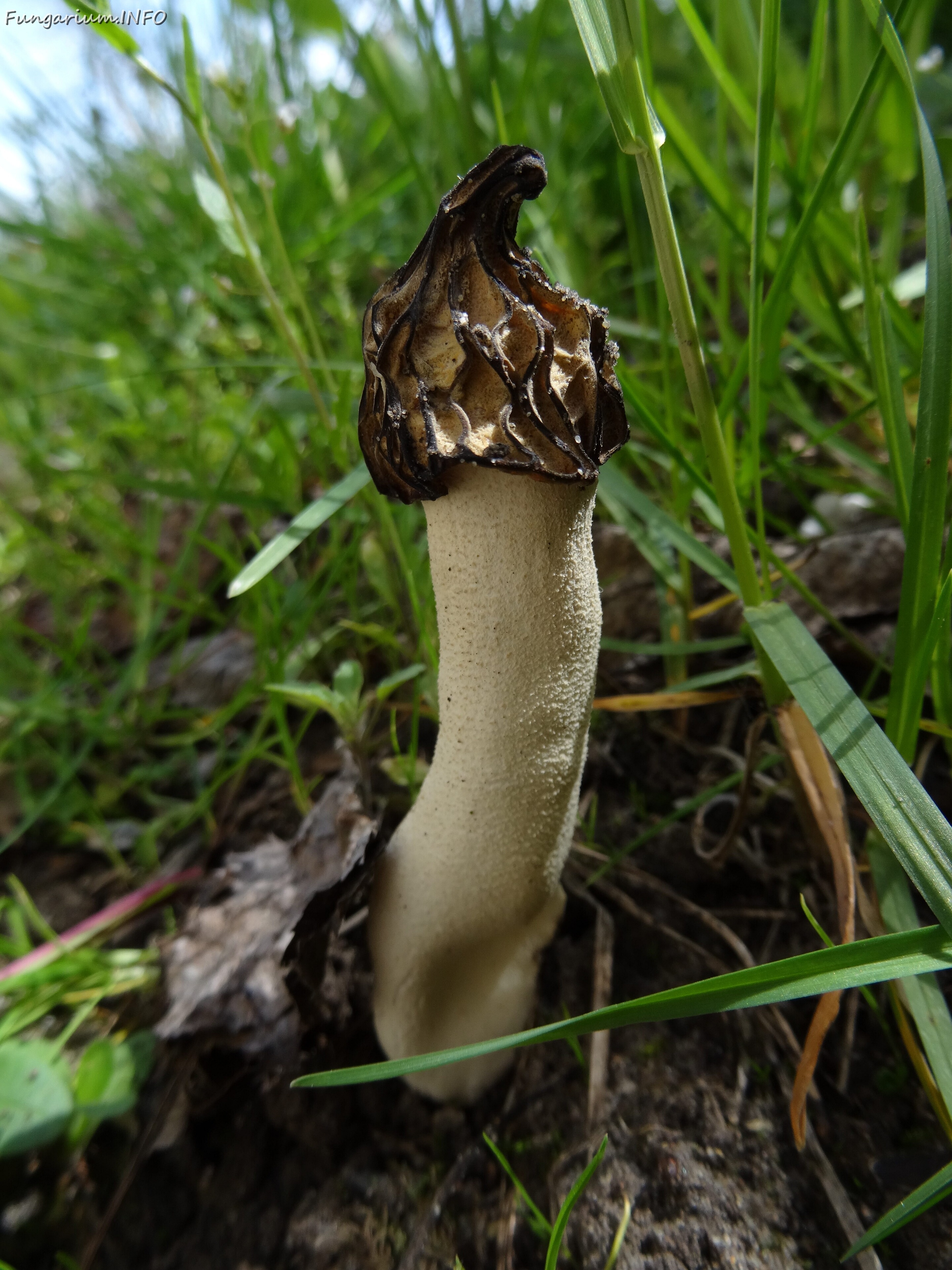
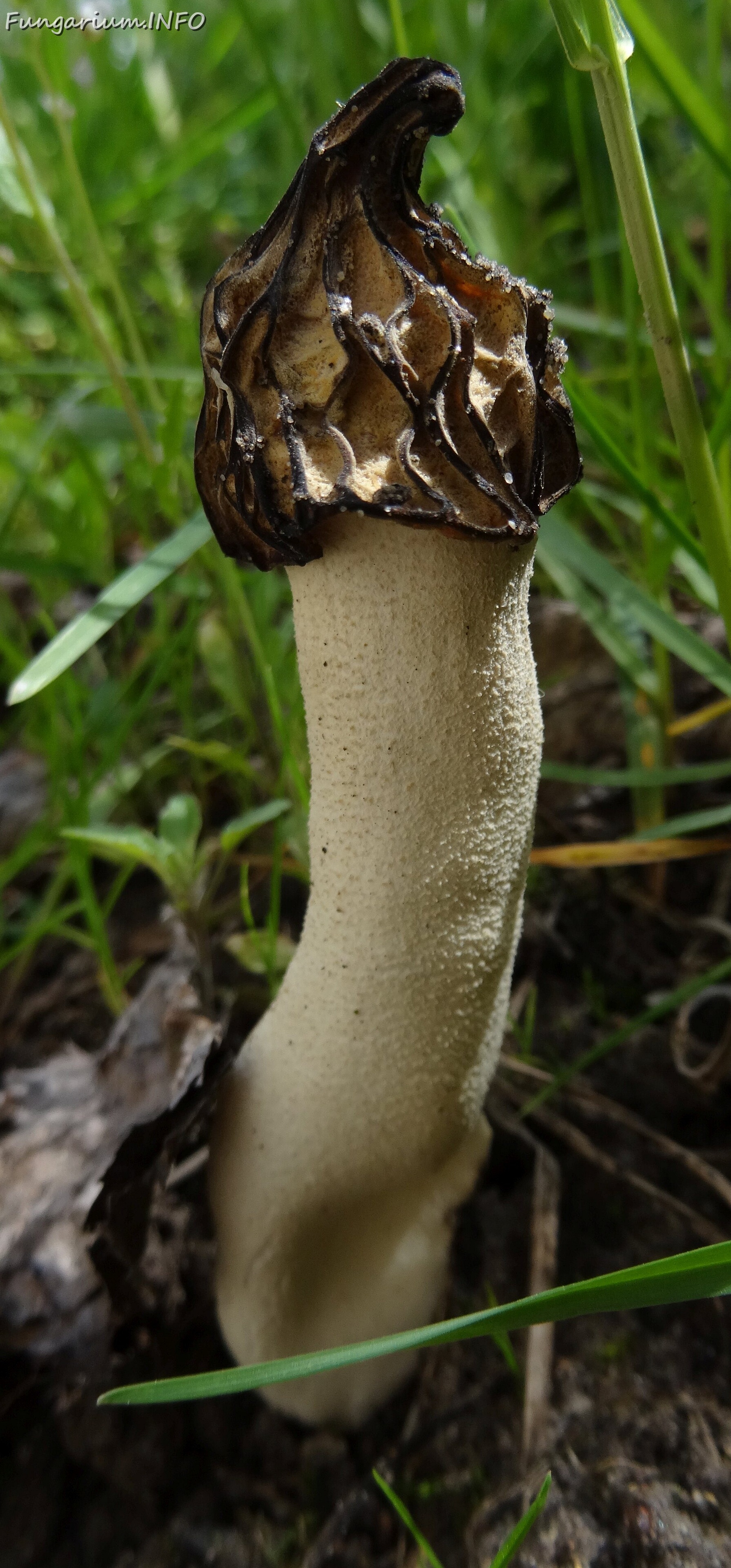
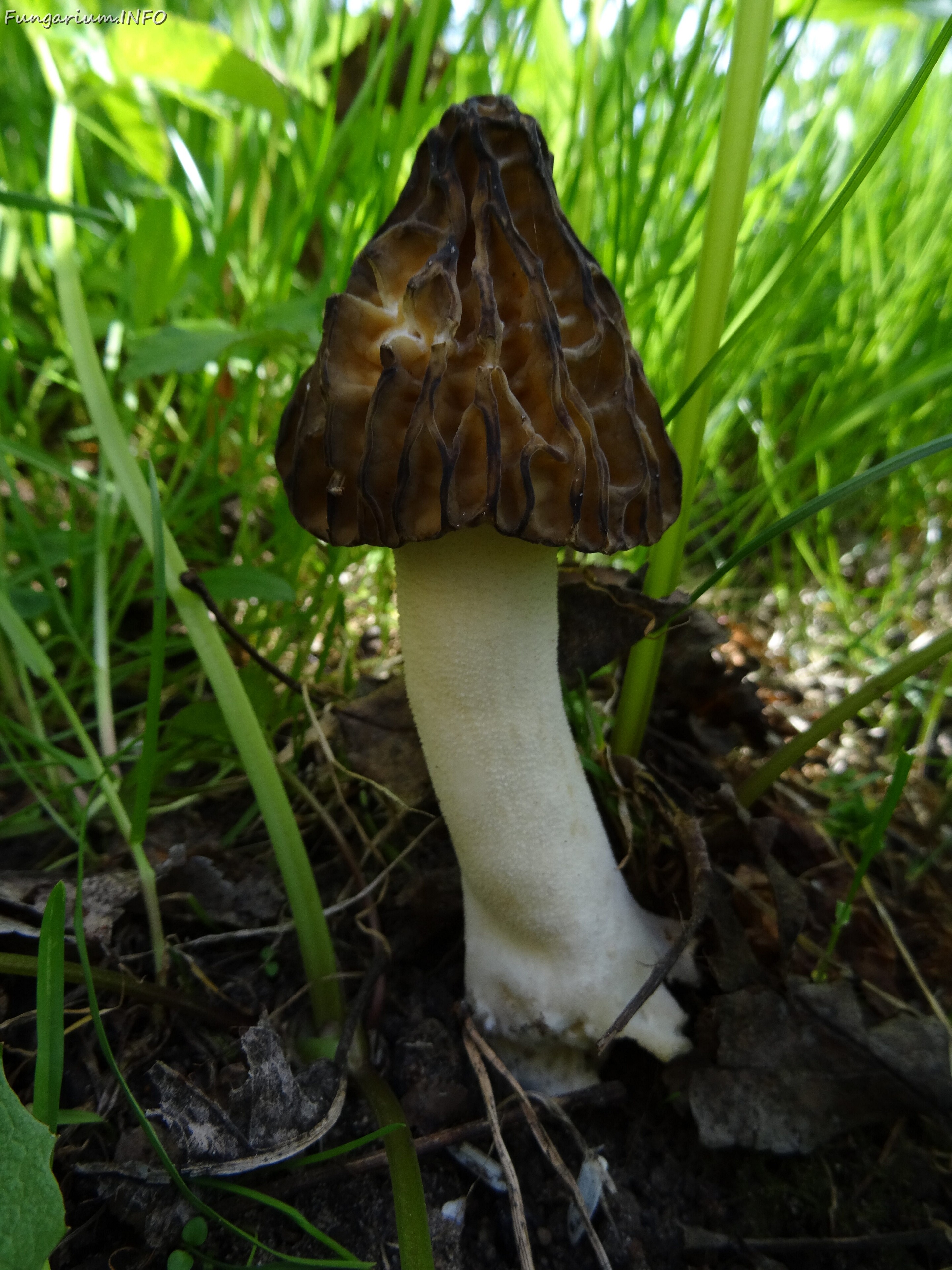
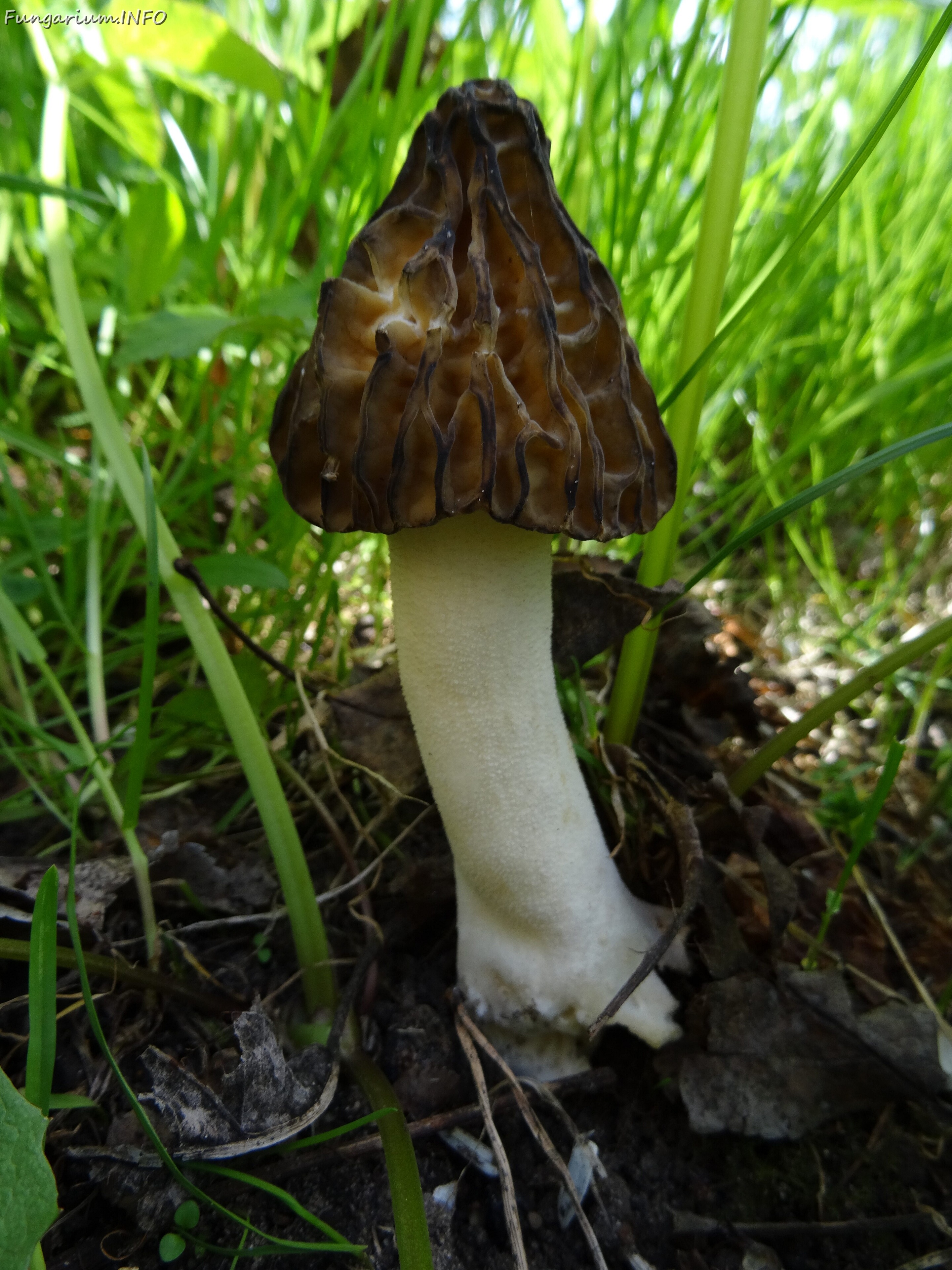
Morchella semilibera - Сморчок полусвободный - Half-free morel - Käppchen-Morchel 5/16/15—5/23/16
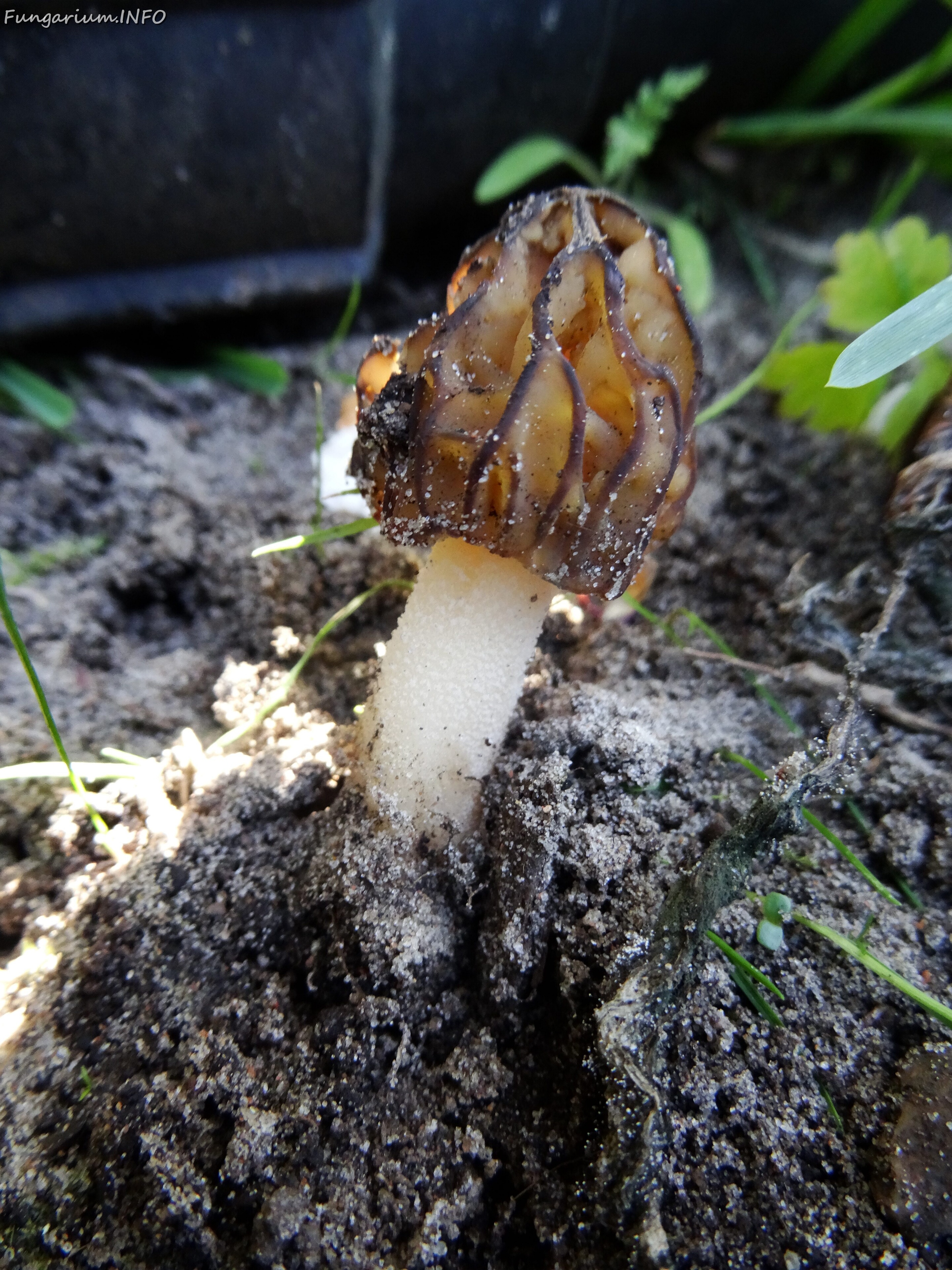
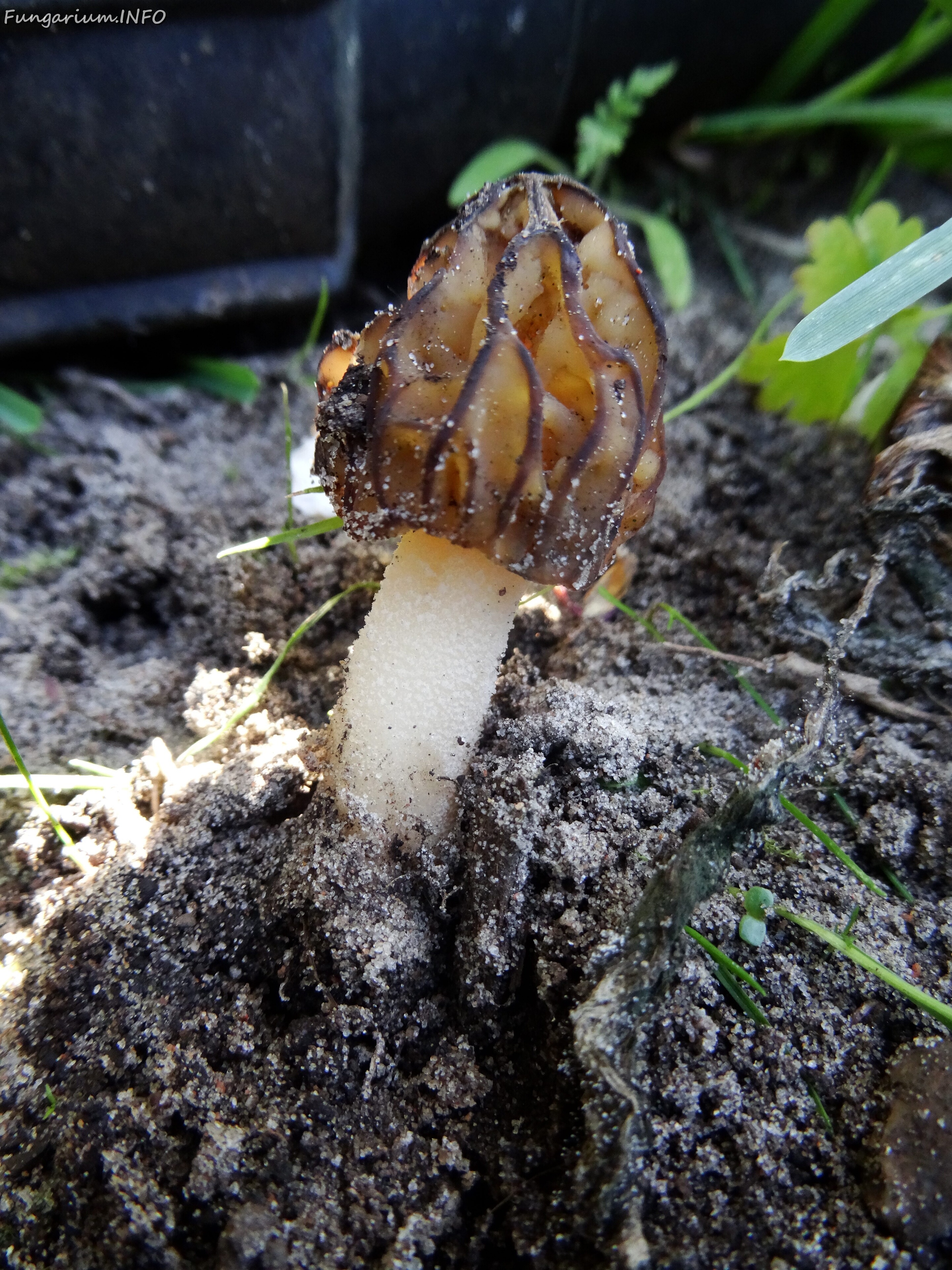
Morchella semilibera is a species of edible fungus that belongs to the family Morchellaceae. It is commonly known as the Half-free morel, a name that refers to the way the cap is only partially attached to the stem. Its coloration typically ranges from pale yellowish-brown to dark brown, and it is found across much of the Northern Hemisphere, where it grows on soil in woodlands, riverbanks, and other moist, nutrient-rich habitats.
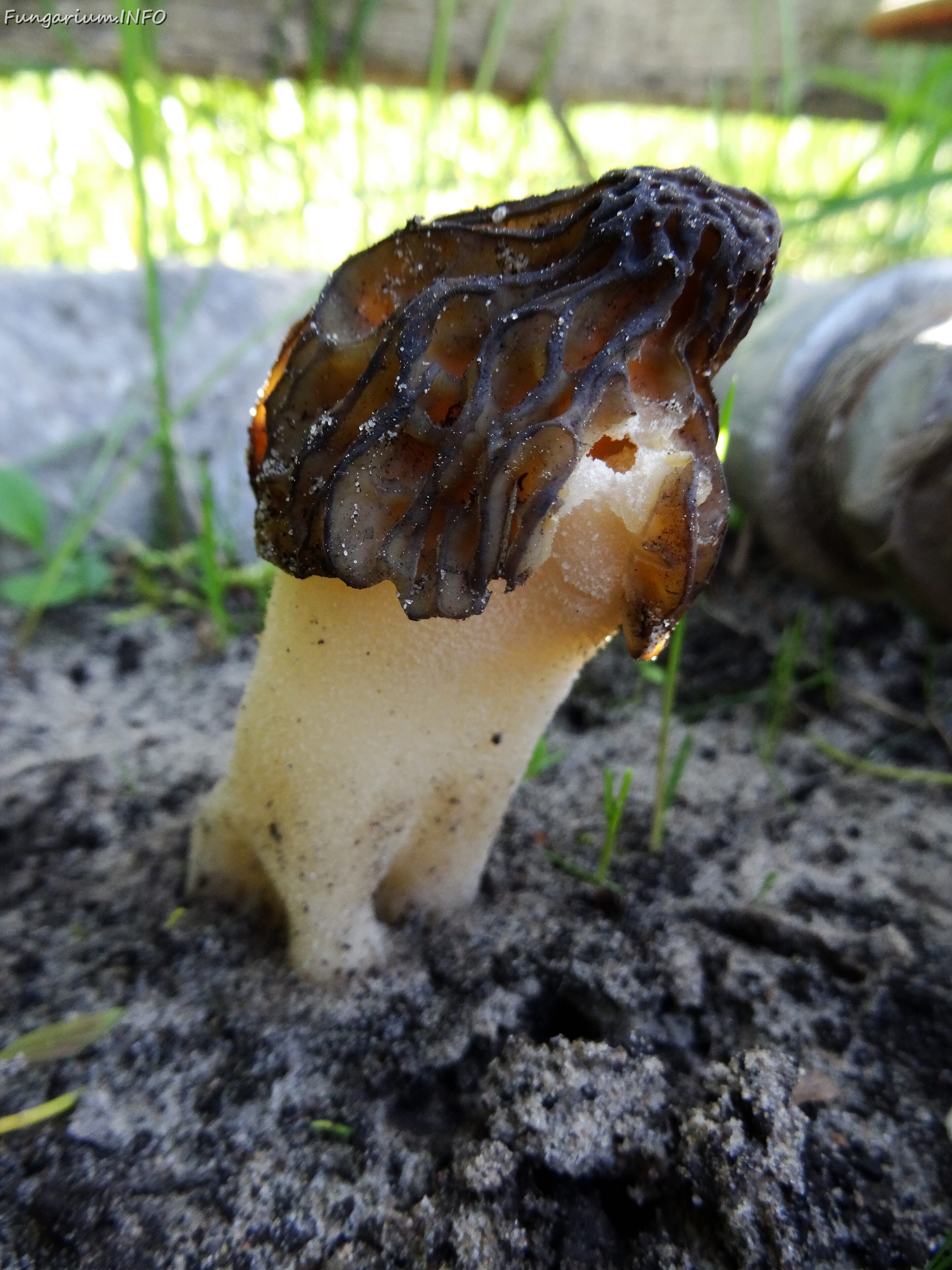
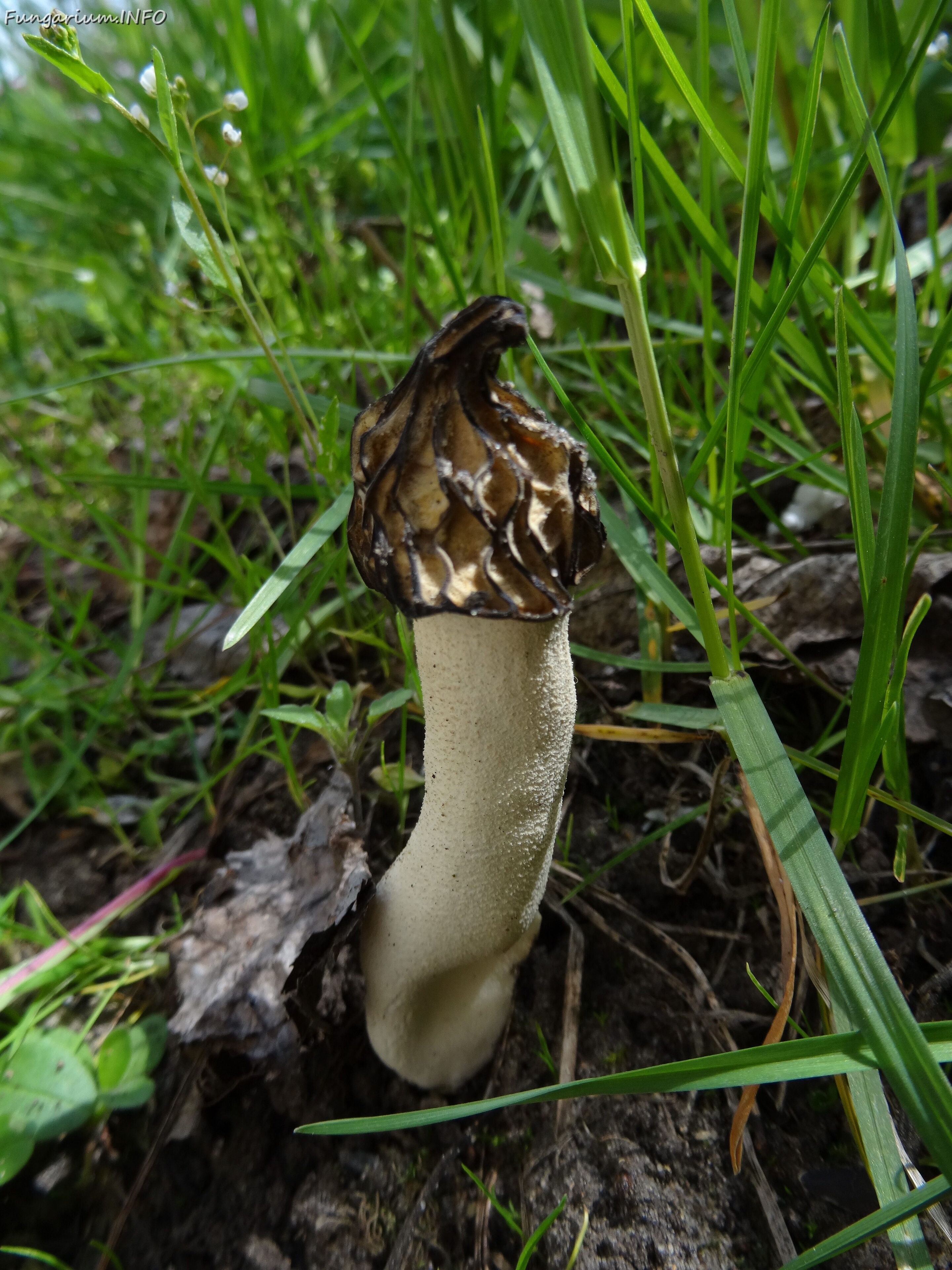
The fruiting body of Morchella semilibera is slender and conical, usually reaching 5–12 cm in height. The cap displays a characteristic honeycomb-like pattern of ridges and pits, but unlike many other morels, the lower portion of the cap hangs free from the stem. The hollow stem is pale and smooth to slightly granular. Spores are produced in elongated asci, each containing eight spores, lining the inner surfaces of the pits.
Morchella semilibera is generally considered saprobic, deriving nutrients from decaying organic matter, though it may also form weak or facultative associations with trees such as ash, elm, poplar, and fruit trees. Through decomposition, it plays an ecological role in recycling plant debris and enriching forest soils in spring.
This species is widely distributed in temperate regions of Europe, Asia, and North America. It most often fruits in spring, frequently appearing shortly after warm rains, sometimes in large groups along streams, forest edges, and old orchards.
Morchella semilibera is regarded as a good edible mushroom and is sought after by foragers for its mild, nutty flavor and pleasing texture. As with all morels, it is consumed only after thorough cooking. While not as famous as some larger morel species, it is still valued in culinary traditions and occasionally mentioned in folk medicine for general health benefits.
In conclusion, Morchella semilibera is an intriguing and ecologically important fungus. Its distinctive half-free cap, springtime appearance, and culinary appeal make it a notable member of the morel group, while its role in decomposition and possible tree associations underline its significance in forest ecosystems.
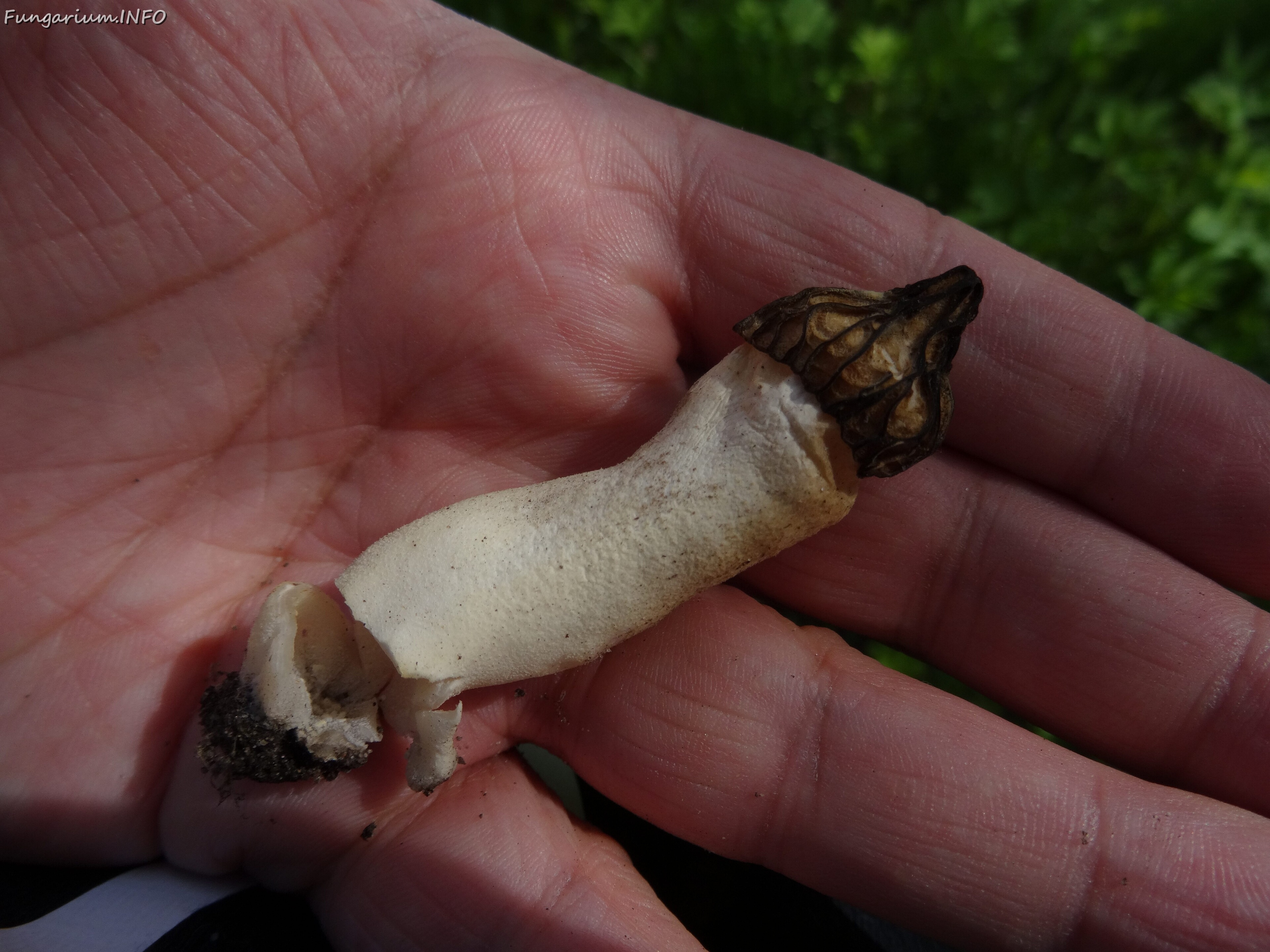


Morchella semilibera - Сморчок полусвободный - Half-free morel - Käppchen-Morchel